2026-10-31 · Anthony Russo
Drying Out Basements After Nor'easter Flooding in NYC
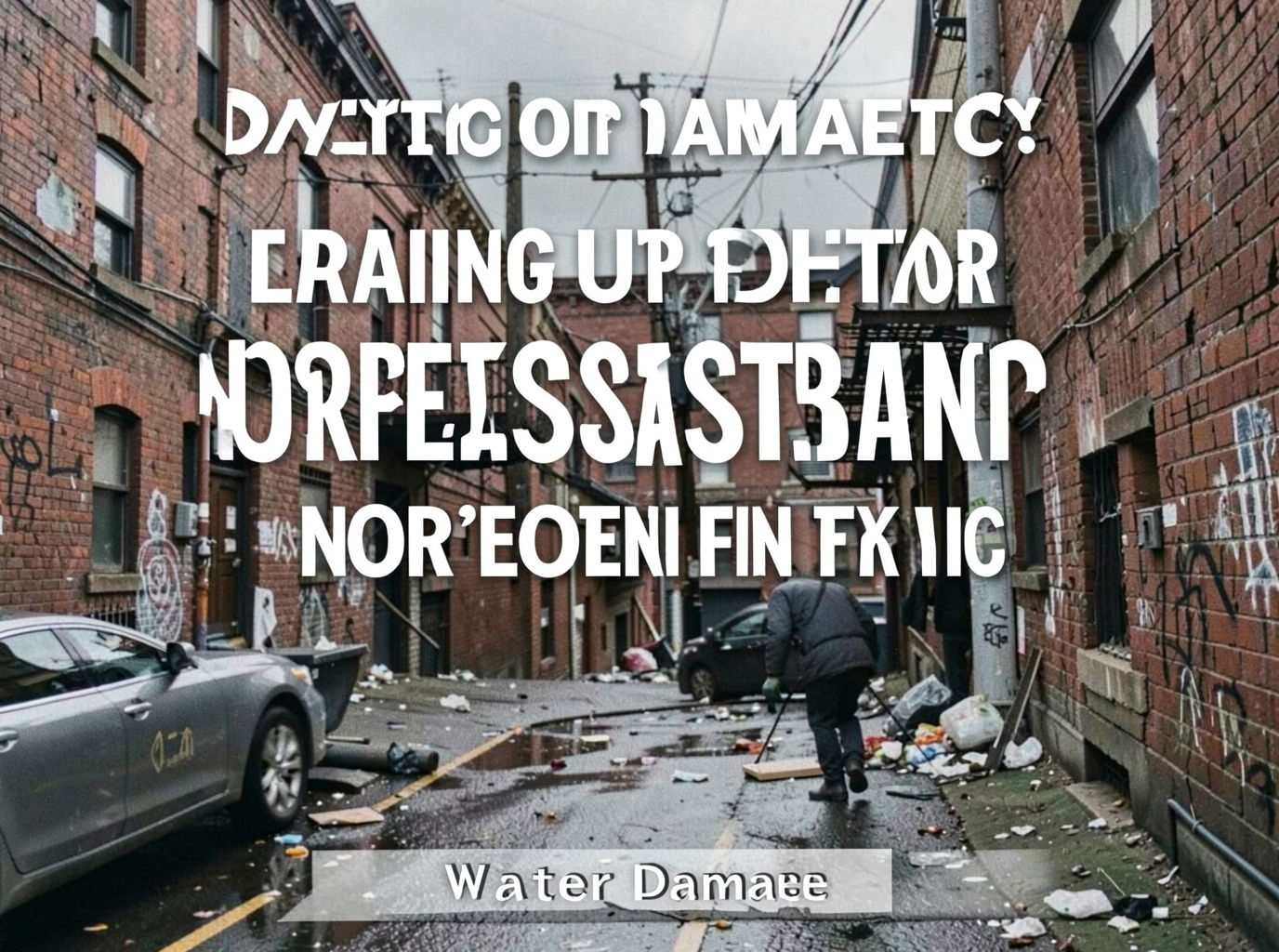
After a Nor'easter, drying out basements in New York typically takes 5 to 14 days when crews use industrial dehumidifiers and air movers on pre-war buildings common in Manhattan and the Upper East Side. The timeline stretches when floodwater reaches 2 feet or more and saturates concrete foundations that retain moisture through the area's humid subtropical climate with hot humid summers and cold winters. Crews start by extracting standing water within the first 24 to 48 hours to limit secondary damage near landmarks like Central Park and Times Square.
Assessing Basement Flooding in NYC Buildings
New York County basements in buildings constructed before 1940 often feature stone or brick foundations that absorb water during Nor'easters, unlike newer poured-concrete slabs in parts of Brooklyn and the Bronx. Inspectors check for water levels against electrical panels and HVAC systems, noting that cold winter temperatures after the storm can freeze residual moisture and crack walls. In Upper East Side row houses, narrow basements trap humidity longer because limited airflow around Central Park blocks natural drying. Crews document every affected room with photos before removal begins, focusing on areas where soil conditions along the East River allow groundwater to seep in during heavy rain.
Water Extraction and Initial Cleanup Steps
Technicians use truck-mounted pumps to remove bulk water within hours of arrival, then deploy submersible units for the final inches that collect in low spots typical of Brooklyn brownstones. After extraction, they haul out saturated carpet, drywall, and insulation from basements near Empire State Building and Times Square locations where space is tight. This phase prevents mold growth that accelerates in the region's hot humid summers if moisture lingers past 48 hours. Water Damage Restoration crews coordinate with property managers to protect historic finishes while clearing debris.
Drying Equipment and Monitoring in Humid Conditions
Industrial dehumidifiers rated for 150 pints per day run continuously alongside high-velocity air movers positioned to push air across wet concrete floors common in New York County. Technicians monitor moisture meters daily, targeting readings below 15 percent on wood joists before declaring a basement dry. In winter Nor'easters, they add portable heaters to raise temperatures above 70 degrees and speed evaporation without risking pipe bursts in unheated spaces. The process accounts for nearby cities like Brooklyn and Bronx where elevated humidity from the harbor slows drying compared to inland suburbs.
Preventing Mold and Long-Term Issues
After drying, crews apply antimicrobial treatments to exposed framing in basements that have sat wet for more than three days, a common occurrence after storms that dump 4 to 6 inches of rain. Homeowners in Manhattan should schedule follow-up inspections two weeks later because hidden pockets behind plaster can re-wet during subsequent cold spells. Handling Burst Pipes After Winter Freezes in New York Apartments covers related risks that appear when Nor'easter flooding meets freezing temperatures. Proper ventilation installed during repairs reduces future humidity buildup in the subtropical climate.
Cost Factors for Basement Drying Projects
Drying costs in New York range from $2,500 to $8,000 for a standard 800-square-foot basement depending on water depth and equipment runtime, with higher figures for Upper East Side properties requiring after-hours access. Factors include the age of the building stock, proximity to the water table, and whether contents removal is needed. What Affects Water Damage Restoration Costs in New York City explains how seasonal demand after Nor'easters influences pricing. Water Damage Repair teams provide upfront quotes based on site visits rather than flat estimates.